Emergency Moves & Clearances in Rayners Lane
Posted on 10/06/2026

Emergency Moves & Clearances in Rayners Lane
When a move cannot wait, everything feels sharper: the clock, the clutter, the noise, the awkward box you didn't realise was heavier than it looks. Emergency moves & clearances in Rayners Lane are for those moments when you need space cleared quickly, belongings moved safely, and the whole job handled with calm rather than chaos. Whether you're dealing with a last-minute tenancy handover, a sudden family change, an urgent office vacate, or a property that has to be emptied fast, the right plan makes all the difference.
This guide breaks down how urgent removals and clearances work in practice, what to expect, where the risks are, and how to make better decisions under pressure. You'll also find a useful checklist, a comparison table, and a few local pointers that matter more than people expect. Truth be told, most stressful moves are made worse by trying to wing it.
Why Emergency Moves & Clearances in Rayners Lane Matters
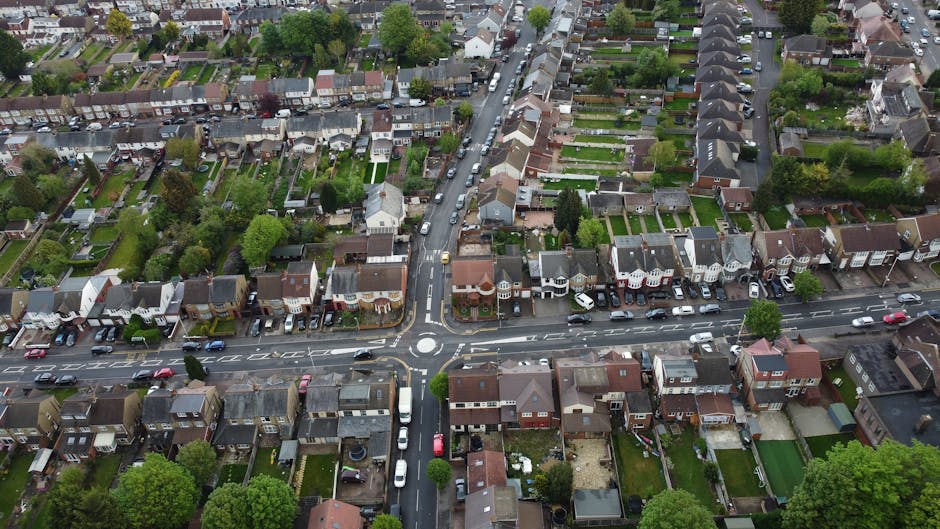
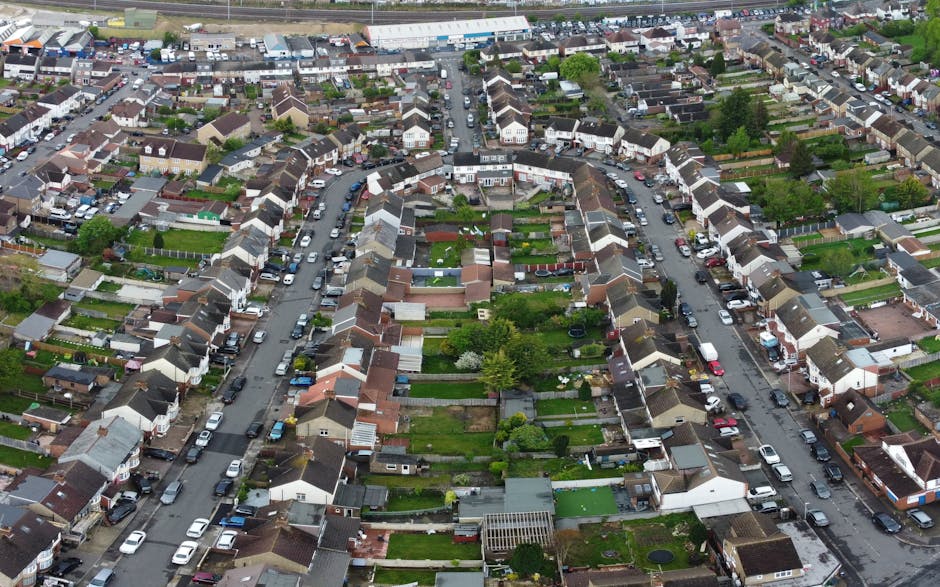
Urgent moves are never just about transport. They usually involve time pressure, emotional strain, access issues, and items that are awkward, fragile, or simply too much for one person. In Rayners Lane, that might mean a flat above a busy road, a narrow stairwell, parking that needs a bit of thought, or a short-notice move near the station where timing is everything.
What makes emergency moves different is not only the speed. It's the need to reduce risk while acting quickly. If a property has to be cleared before a deadline, there is usually less room for sorting, stacking, and carefully pausing to think things through. That's where a structured approach helps. It keeps the job moving without turning into a scramble.
Clearances can also be sensitive. You may be dealing with furniture that needs to be reused, items going into storage, paperwork that must be protected, or bulky waste that should be separated cleanly. A rushed clearance done badly can create more mess, more stress, and sometimes more cost later. Nobody wants to come back the next day because the essential bits were buried under the non-essential ones.
For local households, landlords, tenants, and small businesses, the value is simple: quick action, fewer delays, and a more controlled outcome. A good emergency removal or clearance service does not just "show up and lift"; it helps you make sensible decisions fast, which is a very different thing.
How Emergency Moves & Clearances in Rayners Lane Works
Most urgent jobs follow a practical sequence. Even if the timeline is tight, the order matters. A same-day or next-day response usually begins with a short assessment of what needs to go, where it is going, and what access looks like at both ends.
In a typical emergency move, the process may look like this:
- Initial call or enquiry: you explain the situation, the property type, the volume of items, and the deadline.
- Quick scope check: the mover identifies access points, parking, floors, stairs, lift use, and any heavy or specialist items.
- Prioritisation: essential items are separated from items that can be cleared, stored, or disposed of later.
- Loading plan: the team decides the safest order for loading so that the urgent items are not trapped behind heavier furniture.
- Transport and placement: belongings are moved to the new address, storage, or another agreed destination.
- Final sweep: the property is checked so nothing important has been left behind.
For clearances, the flow is slightly different. The focus is often on sorting categories: keep, move, donate, recycle, dispose. If this part is rushed, valuable or sentimental items can disappear into the wrong pile. That is why a clear conversation at the start matters more than most people think.
In practical terms, emergency moves & clearances in Rayners Lane often work best when the client is open about constraints. Is there a lift? Is the street tight for parking? Are there items like a piano, freezer, or bed that need special handling? The more honest the picture, the smoother the move tends to go. And yes, a missing parking space can slow everything down faster than you'd imagine.
Key Benefits and Practical Advantages
The most obvious benefit is speed, but there's more to it than that. A properly handled urgent move or clearance can actually reduce stress, protect belongings, and save you from expensive mistakes.
- Faster turnaround: useful when a tenancy ends, a property sale completes, or access is limited.
- Safer handling: trained movers can manage heavy, awkward, or fragile items more confidently than a hurried DIY attempt.
- Cleaner decisions: when time is short, a clear process helps you decide what to keep, move, store, or remove.
- Less disruption: a coordinated team can avoid multiple return trips and wasted hours.
- Better use of storage: if you cannot move everything at once, temporary storage can bridge the gap neatly.
There is also a less talked-about benefit: mental relief. When you know the property is being handled properly, the situation feels manageable again. That can matter just as much as the physical move itself, especially during family changes or sudden life events.
For businesses, the advantage is continuity. Office clearances or urgent relocations are easier to handle when desks, chairs, IT equipment, and files are moved in an organised way rather than as a last-minute pile-up. For private homes, the benefit is usually simpler: you get your space back, and fast.
If your situation includes storage or delayed access, it may help to read practical advice on protecting furniture during storage and how to handle a freezer during prolonged disuse. Those details are easy to overlook in a rush, but they can save real headaches later.
Who This Is For and When It Makes Sense
Emergency moves & clearances in Rayners Lane are not only for dramatic, one-off situations. In real life, they suit a surprisingly wide range of people and circumstances.
You may need this service if you are:
- leaving a property at short notice
- dealing with a tenancy end, inspection, or handover deadline
- clearing a flat, house, loft, garage, or office quickly
- managing a bereavement-related clearance and need the process handled respectfully
- moving urgent items into storage before a later move
- relocating after a break in a lease, building issue, or sudden change in plans
- moving bulky items that are too much for a quick DIY job
Students and renters often need same-day or next-day support when their plans change suddenly. Small flats can be especially tricky because there is little room to stage items. A bag here, a chair there, and before you know it the hallway is the only clear path left. If that sounds familiar, this guide to small flat moves in Rayners Lane is a useful read.
Office clients have different pressures. They may be less worried about a sofa and more concerned about data, timing, and disruption. In that setting, the goal is usually to move quickly without confusing the move schedule or leaving important equipment behind. It sounds simple. It rarely is.
For those who are trying to decide whether to book help at all, a good rule is this: if the deadline is close, the items are awkward, or the access is awkward, professional support usually pays for itself in reduced stress alone.
Step-by-Step Guidance
Here's a straightforward way to approach an urgent move or clearance without losing your footing.
1. Identify the absolute deadline
Work backwards from the time you must hand over the keys, reopen the space, or deliver items. If the move is happening during school run hours, around Rayners Lane Station, or on a narrow London street, build in extra time. Traffic and parking can quietly swallow an hour before you've even noticed.
2. Sort items into clear categories
Use four simple piles: move now, store, clear, and unsure. That last pile matters. Do not let "unsure" become a black hole. Put a time limit on decision-making, even if it's only ten minutes per room.
3. Protect the priority items
Pack essential documents, valuables, medications, chargers, and keys separately. Keep them with you. For furniture and appliances, use proper wrapping and padding. If you need extra packing materials, packing supplies and boxes can make a very real difference to speed and safety.
4. Check access before the team arrives
Make a note of stairs, tight corners, height restrictions, and parking constraints. If a removal van cannot stop close enough, the job naturally slows down. For moves near the station or busier roads, route and parking planning around Rayners Lane Station is worth a look.
5. Decide what happens to cleared items
Some things should be reused, some stored, some recycled, and some removed entirely. A well-run clearance should not leave you with a mountain of mixed items at the kerb. That's messy, and honestly a bit miserable to look at.
6. Keep the process visible
Walk through the property with the team before loading begins. Point out fragile items, hidden storage, loft spaces, cupboards, and anything that must not be moved. This small step saves bigger problems later.
7. Do a final room check
Before the van leaves, check the obvious places: behind doors, under beds, inside drawers, on top of cupboards, and in utility spaces. In urgent moments, the "obvious" bits are where people forget first.
Expert Tips for Better Results
In our experience, the best emergency jobs are the ones where the customer keeps decisions simple. That does not mean careless. It means clear. Here are a few habits that make an immediate difference.
- Keep one person in charge on the day. Too many voices slow urgent decisions right down.
- Label priority items clearly. Use simple notes like "keep with me", "first load", or "storage".
- Avoid half-packing fragile items. If something is breakable, it needs proper wrapping, not a hopeful towel and good intentions.
- Separate clearance from sentimental sorting. If you stop to debate every item, the day disappears.
- Choose the right size vehicle. A van that is too small creates repeat trips; one that is too large may not suit tight access.
If you are moving furniture rather than clearing a space, a helpful read is furniture removals in Rayners Lane. For heavy or specialist pieces, you may also want to look at how to move a piano safely and piano removals in Rayners Lane.
A small but useful tip: if you know a room is likely to be chaotic, clear the exit path first. It seems obvious when written down, but under pressure people often start in the middle of the room and work outward. That is backwards. Start where the van needs to reach, then build inward.
And if someone tells you they can "just lift it," maybe gently ask them to have a look at the stairwell first. We've all seen that movie. It does not end well.
Common Mistakes to Avoid
Most emergency move problems come from a few predictable mistakes. The good news is that they're avoidable.
- Leaving packing until the last minute: this creates damage, delays, and a lot of wasted motion.
- Underestimating clearance time: a property full of mixed items takes longer to clear than a quick glance suggests.
- Not measuring bulky furniture: beds, wardrobes, sofas, and appliances can be awkward in narrow hallways.
- Ignoring access restrictions: parking, staircases, and shared entrances all affect timing.
- Forgetting storage needs: if there is a gap between leaving one property and entering another, you need a plan.
- Mixing keep and clear piles: this is how important items vanish into the wrong load.
One of the most common issues is emotional pressure. People want the move done now, so they stop asking questions. That can backfire. A short, honest conversation at the start is far better than a long apology later. Not glamorous, but effective.
Another mistake is assuming every item can be handled the same way. A box of books, a mattress, and a freezer are three very different things. If you need specific advice for beds and mattresses, this practical guide to relocating a bed and mattress is a sensible place to start.
Tools, Resources and Recommendations
You do not need a warehouse of equipment for an urgent move, but the right tools help a lot. The basic kit usually includes:
- strong moving boxes
- packing tape
- labels or marker pens
- blankets and wrapping materials
- protective gloves
- trolleys or sack trucks for heavier items
- ratchet straps or secure tie-downs where appropriate
For especially awkward jobs, lifting straps and dollies can reduce strain, but they must be used correctly. If you're unsure, it is better to let trained movers handle the heavy lifting. Relying on raw strength alone is where backs get sore and tempers get short.
If you are looking for broader support, the site's services overview is useful for understanding the range of removal help available. For fast-turnaround moves, the same-day removals in Rayners Lane page can help you see how urgent requests are typically approached.
For those comparing whether to use a man and van style solution or a larger team, man and van support in Rayners Lane and a dedicated removal van are both worth understanding before you book. The right option depends on volume, access, and timing rather than just cost alone.
Law, Compliance, Standards, or Best Practice
For emergency moves and clearances, the main thing is to follow sensible UK best practice: protect people first, handle goods carefully, and dispose of unwanted items responsibly. If you are clearing waste, separating reusable items from rubbish is usually the cleaner route, and it often makes the whole job more manageable.
Health and safety should not be treated like a box-ticking exercise. Heavy lifting, narrow stairways, poor lighting, wet weather, and blocked exits all raise risk. If a mover has a documented health and safety policy and appropriate insurance and safety measures, that is a positive sign. It does not remove every risk, of course, but it does show the job is being approached properly.
In business settings, there may also be confidentiality or duty-of-care considerations. Files, devices, and office equipment should be handled carefully, and anything sensitive should be identified before loading. If the clearance involves donating, recycling, or disposing of items, a responsible approach is better for everyone.
If you want to know more about the company behind the service, the about us page is worth a look. For customers who care about values and responsible working, recycling and sustainability and the modern slavery statement provide useful context. Likewise, if you need clarity on booking terms, the terms and conditions, payment and security, and pricing and quotes pages can help set expectations before the move begins.
Options, Methods, or Comparison Table
When time is short, the key decision is often not "Do I need help?" but "What type of help is right for this situation?" The table below gives a practical comparison.
| Option | Best for | Strengths | Limitations |
|---|---|---|---|
| DIY emergency move | Very small loads and flexible timing | Can be cheaper if you already have transport | Higher risk, slower, physically demanding |
| Man and van | Small to medium urgent moves | Flexible, often quick to arrange, good for short-notice jobs | May not suit large clearances or specialist items |
| Dedicated removal team | Heavier loads, multiple rooms, fragile or bulky items | More support, better handling, usually more efficient | May cost more than a basic transport-only option |
| Move plus storage | When dates do not line up | Helps bridge gaps and reduce pressure | Requires extra planning and temporary cost |
For many emergency moves, the best answer is a hybrid one. For example, urgent essentials go straight to the new address, while the rest goes to storage. That can be the most sensible and least stressful approach, especially if you are balancing access times or dealing with a property that must be emptied before another is ready.
If that sounds familiar, you might find storage in Rayners Lane and when to call for same-day removals especially useful.
Case Study or Real-World Example
A typical local scenario goes like this: a tenant in Rayners Lane learns on a Friday afternoon that the handover is moved forward to Monday morning. The flat is small, access is tight, and there are still boxes in the bedroom, a bed frame to dismantle, and a couple of heavy furniture pieces that will not fit in a car. There is no time to make a second plan.
The first step is to separate essentials from non-essentials. Documents, valuables, chargers, toiletries, and a bag of clothes are packed immediately. The next step is to identify bulky items that must be moved or cleared. A quick check of the stairwell and parking situation confirms that the van will need a short loading window, so the route and timings are adjusted.
One of the most useful decisions is to avoid trying to clear every single cupboard before the move. Instead, the team focuses on the rooms and items that matter most for handover. Less important items are placed into temporary storage or marked for later collection. The result is not perfection. It is something better: the property is cleared on time, the main belongings are safe, and the stress level drops sharply.
That's the real point of emergency clearance work. It is not about making a difficult day feel easy. It is about making it manageable.
Practical Checklist
Use this quick checklist if you are preparing for an urgent move or clearance in Rayners Lane.
- Confirm your deadline and handover time
- Identify what must move, what can be cleared, and what can be stored
- Separate valuables, documents, and essentials
- Check stairs, lifts, parking, and access points
- Measure bulky furniture and note awkward items
- Gather packing materials and labels
- Wrap fragile items before moving day
- Keep one person in charge of decisions
- Walk through every room before the van leaves
- Arrange storage if the move-out and move-in dates do not align
Expert summary: the smoother emergency moves are usually the ones with clear priorities, honest access details, and simple decisions made early. Speed matters, but control matters more.
If you are still in the planning stage, it may also help to read simple steps to declutter before moving, packing tips for a smoother house move, and a pre-move cleaning routine. Those small jobs often make the urgent part a lot easier.
Conclusion
Emergency moves & clearances in Rayners Lane are about more than getting items from one place to another. They are about creating order under pressure, protecting what matters, and keeping a stressful situation from becoming a complete mess. With a clear plan, the right support, and a realistic view of access and timing, even a short-notice job can be handled well.
Whether you are moving a flat, clearing a property, or trying to bridge a gap with storage, the smartest move is usually the calm one. Don't overcomplicate it. Get the essentials sorted, keep the path clear, and let the rest follow in a sensible order. Small decisions, made quickly and properly, do a lot of heavy lifting.
If your move is coming up fast, take a breath, make the first call, and start with the items that matter most. The rest becomes much easier once the first box is out the door.
Get a free quote today and see how much you can save.