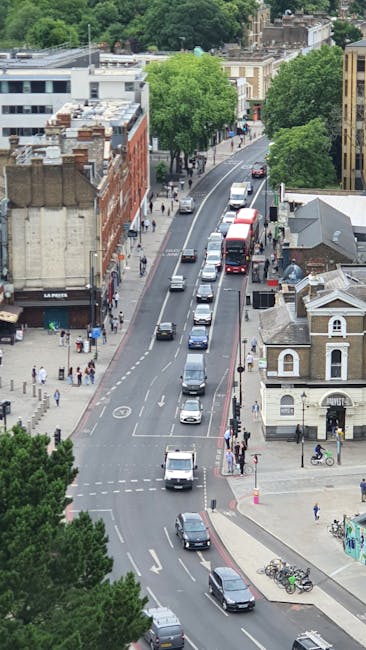
Moving Near Rayners Lane Station: Best Routes & Parking Tips
Posted on 07/05/2026
Moving Near Rayners Lane Station: Best Routes & Parking Tips
Moving near a busy Tube station sounds simple on paper. In practice, it often means narrow residential streets, commuter traffic, limited stopping space, and a van that seems to be in exactly the wrong place at exactly the wrong time. If you are planning a move near Rayners Lane Station, the right route and parking strategy can save you time, reduce stress, and help protect your furniture, neighbours, and day schedule.
This guide breaks down the most practical ways to approach a Rayners Lane move, from route planning and loading bay habits to parking etiquette and timing. It is written for anyone relocating a flat, house, student room, or small office in the area, especially if you want to avoid the classic moving-day scramble. For broader move planning, it can also help to read our advice on staying calm and controlled during a house move and decluttering before relocation before the van arrives.
If you only remember one thing, make it this: the easiest moving day is usually the one that was planned around access, not just address.

Why Moving Near Rayners Lane Station: Best Routes & Parking Tips Matters
Rayners Lane is a genuinely useful place to live or work because it offers strong transport links, but that convenience comes with one moving-day catch: local roads around stations tend to get busy quickly. Commuters, buses, short-stay visitors, and routine local traffic can all reduce your margin for error. If you are trying to unload a sofa while cars are circling for space, the whole move becomes harder than it needs to be.
Good route and parking planning matters for three reasons. First, it protects time. A van that has to double back, wait, or circle the area burns manpower and increases stress. Second, it protects property. The less distance you carry heavy items, the lower the chance of knocks and scrapes. Third, it protects relationships. Neighbours are more tolerant when a move is tidy, brief, and considerate rather than blocking everyone's day.
There is also a practical commercial side. If you are comparing options, whether that means a man with a van in Primrose Hill, a larger removal team, or a focused removal services package, the access plan often determines what vehicle size, crew size, and time slot is actually sensible. A job with awkward access may need a smaller van or a shuttle arrangement rather than a full-size vehicle parked on the nearest corner.
Practical takeaway: around station areas, the best move is rarely the shortest route on a map. It is the route that gives your vehicle legal, safe, and realistic stopping space.
How Moving Near Rayners Lane Station: Best Routes & Parking Tips Works
The process is not complicated, but it does reward a methodical approach. Think of it in layers: route, access point, parking, unloading, and contingency. Most moving-day problems happen because one of those layers was assumed rather than checked.
Start with the route into the area. You want to identify roads that can safely take the size of your van, especially if you are moving a larger sofa, mattress, wardrobe, or piano. For some moves, a direct route is fine. For others, a slightly longer approach via wider roads is better because it avoids tight turns, awkward junctions, or repeated stopping. This is where a pre-move route check pays off.
Next is access to the property itself. A good van route is useless if the entrance is hidden behind parked cars, garden walls, or a shared driveway that is always half-full. Walk the final approach if you can. Look at kerb height, pavement width, gate access, stair direction, and whether anything bulky needs a two-person carry. If you are moving heavy furniture, the guidance in heavy lifting with safety in mind and the basics of kinetic lifting is worth reviewing before move day.
Then comes parking. In residential areas near a station, parking is often the real constraint. You may need to use a legal pay-and-display bay, a permitted loading spot, or a nearby street with more room and then carry items a short distance. That short carry is often faster than risking a blocked lane or a hurried, unsafe stop. If you are booking a team, ask how they handle short carries, waiting time, and no-parking situations. The answer tells you a lot.
Finally, build in a fallback. If your preferred stopping point is occupied, where will you go next? If the lift breaks down or a neighbour is parked across the ideal curb space, what is the second-best option? A move becomes much calmer when there is already a Plan B.
Key Benefits and Practical Advantages
When you plan access properly, the gains show up all day long. Some are obvious. Others only become obvious when you do not have them.
- Faster loading and unloading: Shorter carry distances mean fewer trips and less time spent shuttling items.
- Lower damage risk: Fewer tight manoeuvres and less rushed handling reduces the chance of wall, doorframe, and furniture damage.
- Better traffic control: A clear entry and exit plan makes it easier for the driver to keep the van positioned safely.
- Less neighbour disruption: Efficient parking and communication make a move feel respectful rather than disruptive.
- Improved team efficiency: Movers can focus on handling and stacking instead of improvising around access problems.
There is also a comfort factor. A well-planned move simply feels less chaotic. That matters more than people admit. Once the van is parked legally and the route is sorted, the rest of the day tends to breathe a little easier.
For people moving flats or smaller homes, the benefits become even more noticeable. If your move involves stairs, lift access, or restricted entry, it may be worth pairing access planning with flat removals support or a tailored man and van service that suits compact urban access. For larger households, a broader house removals option can provide the crew capacity to handle longer carries efficiently.
Who This Is For and When It Makes Sense
This guide is useful for more than just one type of mover. In fact, Rayners Lane access issues can affect a surprising range of people.
- Flat movers: Especially if you are in a conversion, upper-floor apartment, or a property with limited on-street space.
- Families moving house: When there are more boxes, more furniture, and more moving parts to coordinate.
- Students and sharers: Shorter notices, tighter budgets, and smaller streets can make planning even more important.
- Office relocations: Time-sensitive moves need dependable vehicle access and minimal disruption.
- Anyone with bulky or fragile items: Sofas, mattresses, desks, pianos, and appliances all benefit from better parking decisions.
It makes the most sense when you are moving on a weekday, during commuting hours, or from a property where parking is already competitive. It also matters if you are using a larger vehicle, because bigger vans need a little more room to park, angle, and unload safely. If you are dealing with specialist items, the more focused services on piano removals or furniture removals may be more appropriate than a generic one-size-fits-all approach.
Truth be told, the smaller the road, the more important the planning. That is especially true near transport hubs.
Step-by-Step Guidance
Here is a practical way to plan the move without overcomplicating it.
- Check the exact address and entrance: Confirm which door, gate, or side access you will use. Small assumptions cause large delays.
- Map the vehicle route: Look for wider roads, easier turns, and fewer pinch points rather than just the shortest distance.
- Assess parking options near the property: Identify legal stopping places and note any time restrictions or resident-only areas.
- Measure bulky items: Make sure the sofa, bed base, or wardrobe will fit through the route from van to room. The article on bed and mattress relocation is especially useful if those are on your list.
- Prepare items for fast loading: Boxes should be sealed, labelled, and stacked in a logical order. If packing still feels unfinished, read our packing guide for moving day efficiency.
- Decide the loading sequence: Put the first unloaded items near the van door, not buried at the back.
- Confirm timing with anyone helping: If someone else is guarding the entrance or directing the van, everyone should know the plan before the vehicle arrives.
- Keep a backup parking option: If the first spot is occupied, have a second street or bay in mind.
A small but valuable tip: if you are moving in a flat area with limited parking, arrive slightly earlier than you think you need. That buffer gives you time to assess the road without pressure. Rushing straight into a bad parking choice is how good plans unravel.
For more support around pre-move organisation, a quick read of how to clean your home before moving can also help, because a clear property is easier to inspect, pack, and hand over.
Expert Tips for Better Results
Most of the best moving tips are not dramatic. They are small decisions that prevent bigger problems later.
- Prefer predictable routes over clever ones: A road that looks shorter on a map can be slower if it forces awkward turns or repeated waiting.
- Use the safest side of the street: Parking opposite your entrance can be fine if it creates a cleaner, safer unloading angle.
- Protect the carry path: Door mats, rugs, and loose clutter should be removed so movers are not navigating trip hazards.
- Break the move into zones: Decide where boxes, soft furnishings, and appliances are going before the van arrives.
- Photograph any tight access points: A quick image of a narrow drive, steep step, or difficult entrance can help movers arrive prepared.
- Match the vehicle to the street: The biggest van is not always the best van. A more compact vehicle can often park closer and make the whole process smoother.
One of the smartest things you can do is reduce the number of decisions you need to make on the day. If your sofa is wrapped, your boxes are labelled, and your parking fallback is already chosen, you are not improvising under pressure. You are just executing a plan.
If you are storing anything between homes, the support articles on sofa safekeeping, freezer storage, and storage solutions in Primrose Hill can help you avoid last-minute damage or spoilage.
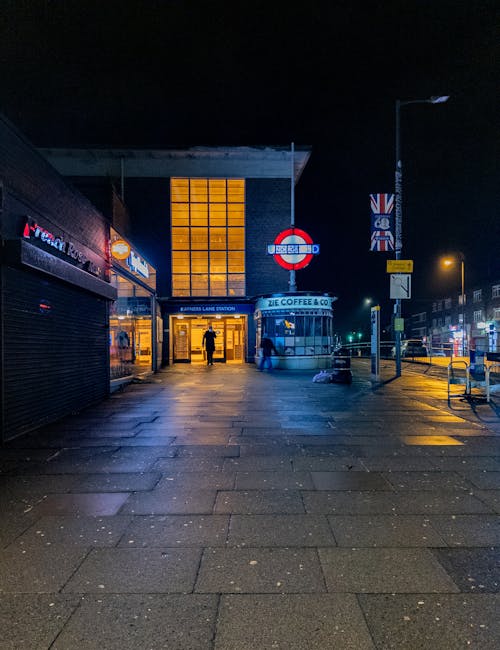
Common Mistakes to Avoid
Some moving errors are surprisingly common around station areas, and they are avoidable with a bit of discipline.
- Assuming parking will be available: Never rely on luck near a busy station or dense residential street.
- Blocking the pavement or drive: Even a short obstruction can create frustration, complaints, or safety problems.
- Ignoring vehicle height and width: That matters if you are approaching low branches, narrow gaps, or tighter turns.
- Loading without a sequence: A badly packed van creates delays at the destination and can increase item movement during transit.
- Leaving fragile items until last: Glass, mirrors, and electronics should be planned for, not thrown in at the end.
- Forgetting to warn neighbours or building management: Simple courtesy can prevent awkward conversations and practical barriers.
There is another mistake people make: underestimating how long unloading takes when the van cannot park right outside. A ten-metre extra carry may not sound like much, but across multiple boxes and awkward furniture, it adds up quickly.
If you are on a tight timetable, a same day removals option can help, but only if access is planned properly. Speed and chaos are not the same thing.
Tools, Resources and Recommendations
You do not need a huge toolkit, but a few basics make a real difference. Think practicality, not perfection.
| Tool or resource | What it helps with | Why it matters near Rayners Lane |
|---|---|---|
| Route map or sat-nav | Choosing streets, avoiding awkward turns | Helps you steer clear of tight approaches and delays |
| Box labels and colour coding | Faster unloading and room placement | Reduces time spent carrying items back and forth |
| Furniture covers and blankets | Scratch and scuff protection | Useful when you need a longer carry from the parking spot |
| Tape measure | Checking access width and item dimensions | Helps prevent last-minute surprises at the door or stairwell |
| Contact list | Driver, helper, building contact, letting agent | Handy when access needs to be coordinated quickly |
It can also help to compare service types before you book. For a compact move, a removal van may be enough. For a fuller property move, you may need a more structured removal company with the crew and equipment to manage restricted access efficiently. If you are still gathering quotes, the pricing and quotes page is a sensible next stop.
For readers who want a bit more confidence around service quality and responsibilities, it is also worth reviewing insurance and safety information and the company's health and safety policy. That is not just admin. It tells you how seriously the move will be handled.
Law, Compliance, Standards, or Best Practice
Moving locally near a station usually does not involve complicated legal steps, but there are still practical rules and standards to respect. Parking restrictions, bay rules, yellow lines, and resident permit areas should always be checked locally before you stop. If a bay is time-limited or permit-only, assume that it matters, because it does. It is much better to spend a few minutes finding a lawful position than to risk a fine or a complaint.
You should also think about pavement safety and access for pedestrians. Do not block dropped kerbs, driveways, crossings, or footpaths. Even if a stop is only temporary, the impact on others can be immediate. A tidy move is usually a considerate one.
For anyone moving goods commercially, or regularly using a van in residential streets, it is wise to follow accepted best practice around safe loading, secure transit, and manual handling. That includes distributing weight evenly, securing loose items, and not overloading the vehicle. If the move involves awkward lifting, reviewing safe handling guidance before the day is sensible. Our articles on safe solo heavy lifting and kinetic lifting principles are a useful starting point.
Where planning is uncertain, ask questions early. That is the simplest compliance habit there is.
Options, Methods, or Comparison Table
Different moving setups work better depending on the property, vehicle size, and amount of parking pressure. Here is a practical comparison.
| Option | Best for | Strengths | Limitations |
|---|---|---|---|
| Park closest possible | Quick flat moves with available curb space | Fast loading, minimal carrying | Not always legal or available near busy streets |
| Park legally a short distance away | Residential areas with limited stopping space | Safer, more reliable, less risk of penalties | Requires more carrying and better item protection |
| Use a smaller van | Narrow roads and tight access points | Easier positioning and parking | May need more trips or careful load planning |
| Use a larger removal vehicle | Full-house relocations with predictable access | Efficient for volume and crew workflow | Harder to manoeuvre near restricted streets |
| Shuttle from a safer parking spot | Highly restricted or unpredictable access | Reduces parking pressure and access conflict | Needs more coordination and time |
In many real moves, the second or third option is the best balance. People often think the ideal is to park immediately outside the door. Sometimes that happens. Often it does not. Good planning is about choosing the version of the move that works in the real street, not the imagined one.
Case Study or Real-World Example
Consider a standard two-bedroom flat move near Rayners Lane Station. The property is on a residential street with limited on-street space and steady daytime traffic. The movers arrive with a medium-sized van and find that the closest spot is already occupied by a resident vehicle.
Instead of circling repeatedly, the team uses a pre-checked backup road with legal parking a little further away. It adds a short carry, but the route is clear, the van is positioned safely, and unloading can begin immediately. The items most needed first, such as vacuum boxes, bedding, and kettle supplies, are loaded last so they come off first. Fragile items are pre-wrapped and kept away from the door area.
The result is not glamorous, but it is effective. The move finishes without fines, without awkward arguments over parking, and without the kind of frantic reshuffling that usually eats up time. That is what good access planning really looks like: plain, tidy, uneventful progress.
That same thinking works for more specialised jobs too. If the move includes a piano, for example, it is much safer to plan the van position, carry route, and room access in advance, rather than trying to improvise on arrival. The risks of going it alone are covered in our guide to moving a piano without specialist help.
Practical Checklist
Use this checklist in the days before the move. It keeps the important details in one place.
- Confirm the full address, entrance, and any building access code.
- Check route options and choose a van-friendly approach.
- Identify legal parking or loading alternatives near the property.
- Measure bulky furniture and note narrow doors or stairs.
- Pack and label boxes by room and priority.
- Protect sofas, mattresses, and delicate items with covers or wrap.
- Clear the hallway and entrance before the van arrives.
- Notify neighbours or building management if appropriate.
- Keep a phone charged and available for driver contact.
- Prepare a backup parking plan if the first option is occupied.
- Set aside essentials you will need immediately after arrival.
- Review the service booking, timings, and any access notes again the night before.
If your move is still a work in progress, it may help to pair this checklist with bed and mattress moving tips, sofa protection advice, and the support available through packing and boxes services.
Conclusion
Moving near Rayners Lane Station is much easier when you treat route planning and parking as part of the job, not an afterthought. The local roads, commuter patterns, and limited stopping space all reward preparation. A little thought upfront can save a lot of carrying, waiting, and stress later.
Whether you are moving a one-bedroom flat, a family home, or a small office, the winning formula is the same: pick the most practical route, confirm a lawful parking plan, prepare items for fast unloading, and keep a backup option ready. Do that, and the day feels manageable instead of chaotic.
For a smoother move and the right support on the day, explore the relevant services, check your access notes, and book early enough to avoid last-minute compromises. Get a free quote today and see how much you can save.