Moving From Pinner to Rayners Lane: Local Removals Checklist
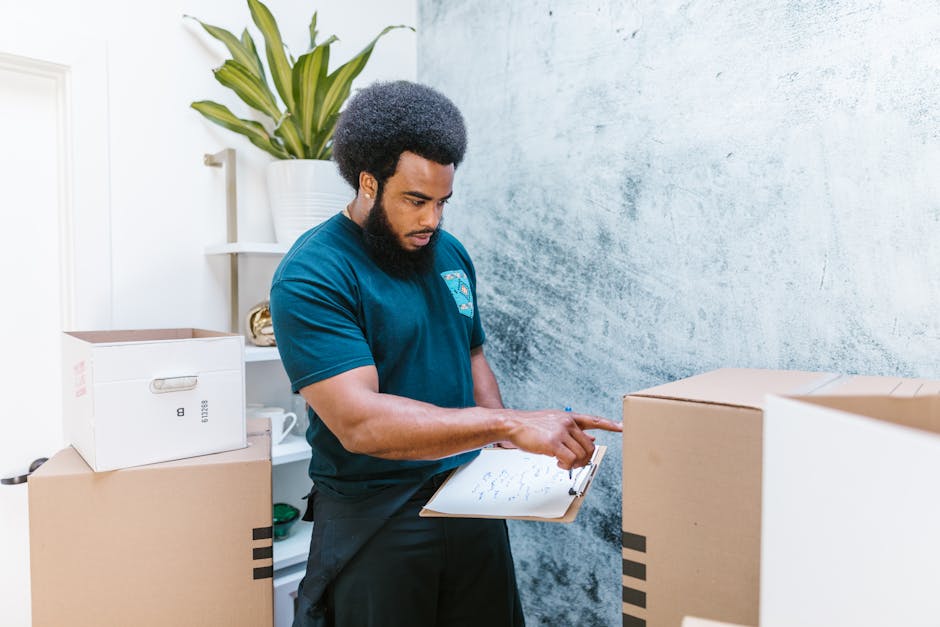
Moving a short distance can feel deceptively simple. Pinner to Rayners Lane is not a cross-country epic, but it still comes with the usual moving-day headaches: boxes that multiply overnight, furniture that seems to get heavier at the door, and that one cupboard you forgot to clear until the van is already outside. This guide to Moving From Pinner to Rayners Lane: Local Removals Checklist is built to help you stay organised, avoid last-minute scrambles, and make the move feel calm rather than chaotic.
Whether you are moving a flat, a family home, a student room, or a small office setup, the basics are the same: plan ahead, pack smart, protect the awkward items, and choose the right removal support for the job. If you want a broader overview of local moving help, the team's services overview is a useful place to start, and if you are comparing options, the local removal services in Rayners Lane page can help you see what is available.
Truth be told, the best moves rarely happen by accident. They happen because someone took half an hour to think through the details that most people leave until the day before. That is what this checklist is for.
Why Moving From Pinner to Rayners Lane: Local Removals Checklist Matters
A local move can lull people into thinking less planning is needed. That is usually where the trouble starts. A move from Pinner to Rayners Lane may only be a short trip in London terms, but even a short route can still include parking pressure, tight stairwells, busy roads, awkward collection windows, and the usual pile-up of small tasks that make a moving day feel bigger than it is.
The checklist matters because it turns a vague task into a sequence of manageable steps. Instead of saying, "We'll sort it later," you know exactly what needs doing, when, and by whom. That reduces the chance of broken items, forgotten keys, missed utility changes, and the classic situation where someone is still wrapping crockery while the driver is ready to go.
It also matters for budgeting. A well-prepared move tends to be smoother, and smoother usually means less wasted time. You may not save a dramatic amount, but you can avoid paying for delays that come from poor packing, access issues, or having to make extra trips. For anyone comparing man and van support, the man and van Rayners Lane option is often worth considering when the load is modest and the distance is local.
And then there is the emotional side. Moving home can be tiring even when the route is short. If you have ever stood in a hallway at 9:30 in the evening staring at three half-packed boxes and a lamp with no bulb, you already know why structure helps. A checklist gives you momentum.
How Moving From Pinner to Rayners Lane: Local Removals Checklist Works
Think of the checklist as a practical moving framework rather than a rigid rulebook. It breaks the move into clear stages: pre-move decluttering, packing, furniture protection, logistics, moving-day readiness, and post-move settling in. Each stage has a purpose, and each task supports the next one.
For example, before packing anything, it helps to remove what you no longer need. That is not just a tidying exercise; it directly affects how many boxes you use, how much loading time you need, and how complicated unpacking becomes. A focused guide such as simple steps to declutter before moving can be surprisingly useful if you are trying to decide what stays and what goes.
Next comes packing. Good packing is not about filling every box to the top. It is about matching the right materials to the right items. Heavy items go in smaller boxes, fragile items get cushioning, and each room gets a label that actually makes sense when you are tired later on. If you want a deeper practical breakdown, essential packing tips for a smooth house move covers the kind of detail that often gets missed.
The final part is logistics. This includes confirming the move date, checking access at both properties, setting aside essentials, and deciding whether you need a removal van in Rayners Lane or something more flexible. It sounds basic, but in real life it is the difference between a tidy arrival and a frustrating scramble on the pavement.
Key Benefits and Practical Advantages
The biggest benefit of using a local removals checklist is simple: it reduces stress. But there are several more specific advantages worth calling out.
- Better time control: You know what has to happen before the van arrives, so the day runs in the right order.
- Less risk of damage: Proper wrapping and labelling reduce the chance of scratches, chips, and crushed contents.
- Faster unloading: Clear labels mean boxes and furniture can go into the right rooms immediately.
- Fewer forgotten items: Essentials, documents, chargers, and keys are much easier to track.
- More accurate quotes: A well-prepared inventory helps removal companies estimate size and labour more realistically.
There is also the practical benefit of making decisions earlier. Need storage because completion dates are awkward? Better to know in advance. A short stay in storage in Rayners Lane can be the sensible bridge between properties, especially if the new place is not quite ready for everything at once.
One small but important advantage: a checklist gives everyone in the household a shared plan. That matters more than people expect. Without a written plan, one person packs the kettle, another packs the tea bags, and somehow the mugs end up in three different boxes. Charming. Slightly maddening too.
Who This Is For and When It Makes Sense
This checklist is useful for almost anyone moving between these two local areas, but it is especially helpful if your move involves timing pressure, stairs, bulky furniture, or a mix of work and family commitments. Local moves can be deceptively busy because people assume the short distance makes preparation optional. It does not.
You will find this most useful if you are:
- moving from a flat in Pinner to a house in Rayners Lane
- relocating with children and trying to keep school routines intact
- moving as a student and needing a leaner, faster plan
- handling a same-day handover or tight completion window
- moving furniture, fragile items, or specialist belongings
- trying to minimise disruption while still staying within budget
Students often need a simpler and faster approach, especially when move-out dates are fixed by tenancy dates. In that situation, student removals in Rayners Lane may be a more appropriate fit than booking a larger service you do not actually need.
If the move is tiny, you may only need help with transport. If it is a full household move with beds, wardrobes, white goods and the odd piano, then a more structured house removals Rayners Lane service makes much more sense. Not every move needs the same approach. That's the point, really.
Step-by-Step Guidance
Here is a clear, practical way to organise the move without overcomplicating it.
1. Start with decluttering
Before you touch a box, decide what should not come with you. Old chargers, duplicate kitchenware, worn bedding, half-used cleaning products, and broken storage items are common culprits. A sensible declutter reduces weight, volume, and unpacking time. If you are unsure where to begin, the earlier guide on decluttering before moving is a good companion piece.
2. Measure the bulky items
Measure sofas, beds, wardrobes, and tall appliances before moving day. It takes a few minutes and can save a lot of drama at the doorway. This is especially important if you are moving into a property with narrow hallways or awkward corners. You do not want to discover at the last second that the wardrobe is technically "not a right angle person."
3. Pack room by room
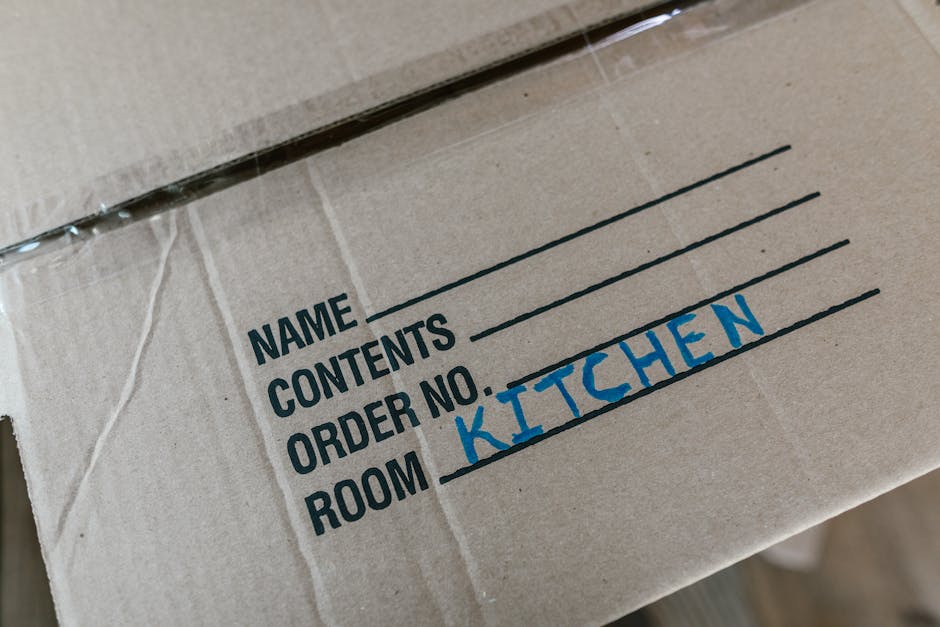
Packing by room makes both loading and unpacking easier. Keep labels specific, like "kitchen - everyday mugs" instead of just "kitchen." Specific labels sound small, but they are the kind of thing that helps on the other side of the move when you are hunting for a saucepan and wondering why you packed the can opener separately.
4. Protect fragile and specialist items
Wrap glassware, mirrors, and ornaments carefully. If you have a piano, treat it as a specialist item rather than just another heavy object. A move like that benefits from dedicated handling, and the guidance on moving your piano safely is worth reading before you do anything else.
5. Prepare beds, mattresses and soft furnishings
Strip beds early, bag the linen, and protect mattresses from dirt or damp. Mattresses are awkward because they look easy to move until they catch the wind, the stairs, or a damp patch on the pavement. For a clearer process, see how to relocate your bed and mattress safely.
6. Arrange the route and parking
Check where the removal vehicle can park at both properties. On local London streets, access matters as much as distance. You may need to reserve a space, speak to neighbours, or simply make sure the driver has enough room to load safely. A quick look at the street the night before can save ten times the hassle in the morning.
7. Keep essentials separate
Set aside a clearly marked essentials bag or box containing keys, documents, chargers, medication, toiletries, snacks, toilet paper, and a change of clothes. It sounds obvious until you are searching for your phone charger while sitting on the floor among seventeen boxes. We have all been there, or close enough.
8. Clean before you leave
Doing a basic clean before handing back the keys is both courteous and practical. It also lets you leave the property in a decent state without doubling back later. A sensible pre-move cleaning routine can make the final handover feel much less rushed, so the article on transforming your home with a pre-move cleaning routine fits neatly here.
9. Confirm the handover plan
Double-check who has the keys, what time access starts, and whether any utility readings need to be taken. Keep a simple note of meter readings and any issues with the property condition. Nothing fancy. Just enough to avoid confusion later.
10. Unpack the priority items first
At the new place, deal with beds, bathroom basics, the kettle, and any food or household essentials before tackling the decorative items. A normal home feels much more liveable once the basics are in place, even if the boxes are still stacked in the hallway for a day or two. That's fine. Really.
Expert Tips for Better Results
A few small decisions can make a surprisingly large difference. The first is not to overpack boxes. A heavy box is more likely to split, and nobody wants that mid-stairwell. Keep books and crockery in smaller boxes, and use larger boxes for lighter items like bedding or soft furnishings.
Second, use colour coding or room labels if you can. Not every move needs a full system, but a simple coloured sticker on each box is often enough to help movers place items in the right rooms fast. It saves the "Where does this go?" conversation repeating itself twenty times.
Third, protect floors and doorframes at both ends. This is often overlooked in local moves because the distance feels short. Yet a bumped corner or muddy footprint can still cause damage. If you are booking professional help, it is sensible to ask about their approach to handling and protection, which is where pages like insurance and safety and the company's health and safety policy can give reassuring context.
Fourth, think about the furniture that needs special attention. Sofas, wardrobes, and large cabinets may need disassembly. If something is going into short-term storage, a practical guide like how to safeguard your sofa for storage can help prevent avoidable damage.
Finally, keep your move realistic. If the job is bigger than a quick van load, say so early. There is no prize for pretending a three-bedroom move can be handled like a bag of shopping. Honest planning gets better results every time.
Common Mistakes to Avoid
Most moving mistakes are not dramatic. They are small, ordinary oversights that snowball. The good news is they are easy to prevent once you know what to watch for.
- Leaving packing until the final night: This creates rushed decisions and poor labelling.
- Using boxes that are too large for heavy items: They become difficult to carry and more likely to split.
- Forgetting to check access: Parking or stair access issues can delay the whole day.
- Not setting aside essentials: This leads to unnecessary unpacking chaos on arrival.
- Ignoring specialist items: Pianos, beds, and white goods need specific handling.
- Assuming local means easy: Local still needs planning, just with fewer kilometres involved.
A lot of people also forget how much easier moving becomes once clutter is removed. If you are tempted to pack "just in case" items because there is still room in the box, pause for a second. Do you really want to unpack all that later? Usually, the answer is no.
There is also the matter of solo lifting. If you try to carry awkward items alone, you raise the risk of injury and damage. When one person is handling a heavy object without help, the margin for error is tiny. That is why the practical advice in solo lifting methods and the more technique-focused kinetic lifting guidance can be genuinely useful. Not glamorous, but useful.
Tools, Resources and Recommendations
You do not need a mountain of specialist equipment to move well, but a few practical tools make life much easier. At minimum, it helps to have sturdy boxes, strong tape, labels, marker pens, furniture covers, bubble wrap or paper cushioning, and a trolley if you are moving heavier items. Gloves are not essential for everyone, but they can improve grip and protect your hands from rough surfaces.
For packaging supplies, the local packing and boxes in Rayners Lane page is a sensible reference if you want to make sure you have the basics covered before moving day. Having the right materials on hand is one of those things you barely notice when it goes well, but really notice when it does not.
If you need to compare service types, the following options are commonly considered for a move like this:
- man with a van in Rayners Lane for smaller, flexible local jobs
- flat removals Rayners Lane if you are moving between apartments or maisonettes
- furniture removals Rayners Lane for individual items or partial loads
- same-day removals Rayners Lane when timing is tight
For more general planning support, a practical article such as house moving made simple and stressfree can help you keep the bigger picture in mind. That is often the point where people relax a little because they can see the move is manageable after all.
Law, Compliance, Standards, or Best Practice
For a local house move, the main compliance concerns are usually practical rather than legal in the dramatic sense. The key is to follow normal UK moving best practice: handle items safely, ensure access arrangements are sensible, keep pathways clear, and avoid blocking roads or footways unnecessarily. If parking restrictions apply at either address, check the local situation in advance rather than assuming there will be space on the day.
If you are using a removal company, it is reasonable to ask about insurance cover, handling procedures, and what happens if something is damaged in transit. Clear written terms matter too. Before booking, take a look at pages such as terms and conditions, payment and security, and complaints procedure. They help set expectations in a way that is fair to both sides.
From a safety perspective, a careful moving team should use sensible lifting techniques, protect fragile belongings, and avoid overloading vehicles. If you are moving anything that presents a higher risk, such as a piano or heavy cabinet, specialist handling is the right call. The aim is not to be theatrical about it. It is simply good practice.
If sustainability matters to you, the move is also a good moment to think about reuse and recycling. Unwanted boxes, furniture, and packaging may be suitable for recycling or donation. The company's recycling and sustainability page is worth a look if you want to reduce waste during the process.
Options, Methods, or Comparison Table
Choosing the right moving setup depends on how much you are moving, how quickly you need it done, and how much help you want on the day. This comparison is a simple way to think it through.
| Option | Best for | Strengths | Watch-outs |
|---|---|---|---|
| Man and van | Small to medium local moves | Flexible, usually efficient, good for short distances | May be less suitable for larger households with many heavy items |
| Full house removals | Whole-home relocations | More structured, better for multiple rooms and larger furniture | Often needs more planning and a longer booking window |
| Furniture-only move | Single items or partial loads | Cost-conscious for targeted transport | Not ideal if you also need boxes, appliances, or multiple stops |
| Same-day removal | Urgent or last-minute moves | Fast response, simple when time is short | Availability can be limited, especially at busy times |
There is no single best method for everyone. The right choice depends on the volume of belongings, the layout of the properties, and whether you need packing support as well. If you are not sure, it is sensible to ask for guidance before committing. A reputable provider will usually help you match the service to the move rather than pushing you into the biggest option by default.
Case Study or Real-World Example
Imagine a couple moving from a first-floor flat in Pinner to a two-bedroom house in Rayners Lane. They have a sofa, dining table, bed frame, mattress, two bookcases, a washing machine, and plenty of kitchen items. At first, they think it is a straightforward local move and leave most of the packing for the final weekend.
On Friday evening, the boxes are only half-done. The kettle has been packed away already. One person is still sorting drawers while the other is looking for tape. By Saturday morning, they are tired before the van even arrives. That is the kind of situation where the move starts to feel bigger than it really is.
Now imagine the same move with a checklist. They declutter two weeks earlier, donate what they do not need, gather packing materials in advance, and label each room clearly. They book a local vehicle that suits the amount they are moving, set aside an essentials box, and confirm parking at both addresses. On move day, there is still plenty to do, but the work feels orderly instead of frantic. The sofa goes in safely, the mattress stays protected, and the first cup of tea at the new place tastes oddly glorious.
That is the real advantage of planning. Not perfection. Just less friction. And a lot less stress.
Practical Checklist
Use this as a simple final run-through in the days before moving.
- Confirm the moving date and arrival window
- Check access at both properties, including stairs, lifts, and parking
- Declutter items you do not want to move
- Collect boxes, tape, markers, wrapping, and protective covers
- Pack room by room and label clearly
- Prepare an essentials bag for the first 24 hours
- Disassemble furniture if needed
- Protect mattresses, sofas, mirrors, and fragile items
- Arrange storage if completion or handover dates do not align
- Take meter readings and photos if needed
- Clean the old property before leaving
- Keep keys, documents, and valuables with you
- Prepare refreshments and a quick plan for move day
Expert summary: the easiest local moves are the ones where the big decisions are made early. Declutter first, pack with purpose, check access, and choose the right help for the volume you are moving. The details are what save you time.
Get a free quote today and see how much you can save.
Conclusion
A move from Pinner to Rayners Lane may be local, but local does not mean effortless. The good news is that with the right checklist, the whole process becomes much more manageable. You do not need to over-engineer it. You just need to stay ahead of the tasks that usually cause the biggest headaches: packing, access, furniture handling, timing, and the little details everyone forgets until the last minute.
If you use this checklist properly, you will probably notice something quite reassuring on moving day: fewer surprises. The van arrives, the boxes are labelled, the fragile items are protected, and the essentials are exactly where you left them. That calm feeling is worth a lot.
And once the last box is inside and the kettle is on, the whole move starts to feel less like a disruption and more like a fresh start. Which, to be fair, is exactly what it should be.
Frequently Asked Questions
How far is Pinner from Rayners Lane for a local move?
It is a short local journey, which usually makes the move simpler than a long-distance relocation. Even so, the real challenge is often access, parking, and packing rather than mileage.
Do I need professional removals for a short move between these areas?
Not always, but professional help can be worth it if you have bulky furniture, limited time, stairs, or fragile belongings. A short distance still benefits from proper handling.
What should I pack first when moving locally?
Start with non-essential items such as seasonal clothes, spare linens, decorative pieces, books, and things you do not use daily. Leave the kitchen basics, toiletries, and chargers until later.
How early should I start preparing for the move?
Ideally, start planning a few weeks ahead if you can. Even a simple two-week head start can make a big difference to decluttering, sourcing boxes, and arranging access.
What if I only need help moving a few large items?
That is often where a furniture-focused service or a flexible man and van option makes sense. It is usually more practical than booking a full household move for a handful of items.
Should I disassemble furniture before moving day?
If possible, yes. Beds, wardrobes, and some tables are much easier and safer to move when broken down into manageable parts. Keep screws and fittings in labelled bags.
How do I protect fragile items during a local move?
Wrap them individually, cushion them well, and place them in sturdy boxes that are not too large. Mark those boxes clearly so they are handled carefully and unpacked first.
What if I need storage between moving out and moving in?
Short-term storage is a sensible option when the dates do not line up neatly. It keeps your belongings safe while you wait for the next property to be ready.
How can I avoid last-minute stress on moving day?
Prepare an essentials box, confirm parking and access, label everything clearly, and pack the night before where possible. The last thing you want is to hunt for tape while the van is already outside.
Is it worth asking about insurance when booking removals?
Yes. It is sensible to understand what cover is included, what the process is if something goes wrong, and how the company handles items during transit. Good providers are usually happy to explain this clearly.
What is the biggest mistake people make on a short local move?
Assuming short distance means low effort. In reality, most moving stress comes from preparation, not travel time. A local move still needs structure and a proper checklist.
Can I combine packing help with removals?
In many cases, yes. If packing is the part you dread most, it can be worth asking about support that includes boxes, wrapping, and loading. That can save time and reduce mistakes.